
Living in Germany gives you access to an increasingly diverse dining scene, and one of the most rewarding cuisines to explore is Japanese food. From Berlin and Düsseldorf to Frankfurt, Hamburg, Munich and smaller university cities, Japanese restaurants now range from casual noodle counters to specialist sushi bars and refined dining rooms. Yet a good introduction should go beyond ordering the most familiar roll on the menu. Japan’s cooking traditions include raw seafood, grilled skewers, crisp fried dishes, comforting noodles, rice bowls and savory pancakes, each revealing a different approach to texture, seasoning and seasonality.
For anyone settling in Germany, this guide highlights ten dishes that make Japanese food easier to understand and more enjoyable to order. You will learn what each dish is, what it normally tastes like, what to look for when choosing it, and how to build a balanced first experience. Whether you already love Japanese food or are trying it for the first time, these choices offer a practical route into the cuisine. At Honmono, the goal is not simply to recognize famous names, but to appreciate the ingredients, preparation and dining experience behind them.
Why Japanese food is worth exploring in Germany
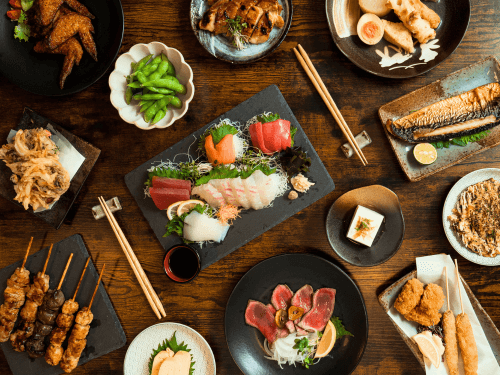
The appeal of Japanese food comes from contrast. A single meal may combine cool sashimi, warm rice, crisp tempura, a deeply savory broth and bright pickles without making the table feel heavy. Rather than relying on one dominant seasoning, many dishes build flavor through dashi, soy sauce, miso, rice vinegar, sesame, ginger, seaweed and carefully handled ingredients. That makes Japanese food especially interesting for diners who want to compare cooking methods instead of simply chasing heat or richness.
Germany is a particularly good place to start exploring. Large cities have long-established Japanese communities and specialist restaurants, while supermarkets and Asian grocery stores have made ingredients such as nori, miso and Japanese rice easier to recognize. Düsseldorf is especially well known for its Japanese presence, but authentic and Japanese-inspired options can now be found throughout the country. Quality still varies, so use this list as a tasting roadmap rather than assuming every restaurant represents the cuisine in the same way.
When trying Japanese food, pay attention to balance and specialization. A restaurant focused on ramen may be a better place for ramen than a huge menu offering dozens of unrelated Asian dishes. Likewise, sushi depends heavily on rice preparation and ingredient handling, while yakitori benefits from careful grilling. The ten dishes below cover different techniques, so you can discover which side of Japanese food suits you best.
1–3: Sushi, sashimi and ramen — the essential starting point

1. Sushi: learn to notice the rice
Sushi is often the first Japanese food people name, but it is frequently misunderstood as simply raw fish. The defining element is seasoned sushi rice, which may be paired with seafood, vegetables, egg or other toppings. Nigiri places a topping over a compact portion of rice, while maki rolls rice and fillings with nori. This makes sushi a useful first lesson in how Japanese food values proportion: rice temperature, acidity, texture and topping should work together rather than compete.
For a first order, choose a small mixed selection instead of an oversized platter covered in sauces. Salmon, tuna, shrimp, tamago and a simple cucumber or avocado roll let you compare textures. Use soy sauce lightly so it does not overwhelm the rice. If the restaurant serves nigiri, try a piece before adding extra wasabi. Well-made sushi should taste complete on its own. Diners new to Japanese food can begin with cooked toppings before moving toward raw fish.
2. Sashimi: simplicity that exposes ingredient quality
Sashimi consists of carefully sliced raw seafood or, less commonly, other ingredients served without sushi rice. Because there are fewer components to hide behind, freshness, temperature, knife work and texture become especially noticeable. Salmon and tuna are common starting choices in Germany, while more specialized restaurants may offer yellowtail, sea bream, scallop or seasonal fish.
This is Japanese food at its most ingredient-focused. Eat sashimi with a restrained amount of soy sauce and wasabi, and notice how different cuts feel rather than expecting a strong marinade. If raw seafood is new to you, order a small portion from a reputable restaurant with good turnover. Sashimi is not a test of bravery; it is an opportunity to understand how Japanese food can create interest through precision rather than complicated seasoning.
3. Ramen: a complete world inside one bowl
Ramen is comforting, accessible and ideal for Germany’s colder months. Although its historical roots involve Chinese noodle traditions, ramen has developed into a major part of modern Japanese food culture. A bowl combines noodles, broth, aromatic seasoning and toppings. Common styles include shoyu, seasoned with soy sauce; miso, with fermented soybean paste; shio, built around salt seasoning; and richer tonkotsu, made with pork bones.
Do not judge ramen only by how thick the broth looks. Good ramen depends on balance between broth, tare seasoning, aromatic oil and noodles. Toppings such as chashu pork, marinated egg, spring onion, bamboo shoots or nori add contrast. If you are exploring Japanese food systematically, try shoyu first for clarity, then compare it with miso or tonkotsu. You will quickly see why two ramen shops can produce completely different experiences from the same basic format.
4–6: Tempura, yakitori and Japanese curry for comforting flavors
4. Tempura: light batter, careful frying
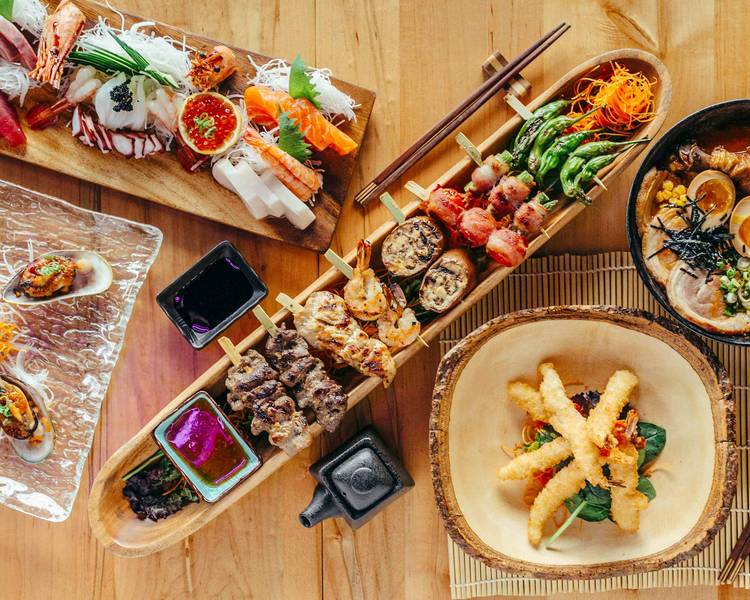
Tempura is seafood or vegetables coated in a delicate batter and fried until crisp. Shrimp is the best-known version, but pumpkin, aubergine, sweet potato, mushrooms and green vegetables can be equally satisfying. The best tempura feels light and dry rather than oily, with a thin crust that protects the ingredient instead of burying it.
As an introduction to fried Japanese food, tempura is easy to enjoy because the flavors remain familiar. It may arrive with tentsuyu dipping sauce, grated daikon and salt, or be served over rice as tendon. Eat it soon after it reaches the table; crispness is part of the dish. If you normally associate deep-fried food with a thick coating, good tempura demonstrates a different philosophy: technique is used to emphasize the ingredient, not disguise it.
5. Yakitori: small skewers with serious grilling technique
Yakitori traditionally centers on chicken grilled on skewers, often over charcoal. Different cuts can include thigh, breast, skin, wing and meatball, and dedicated restaurants may offer less familiar parts as well. Seasoning usually follows two broad directions: shio, meaning salt, or tare, a glossy savory-sweet sauce. Ordering several skewers lets you compare both the cuts and seasonings.
Yakitori is a social form of Japanese food and works well for sharing over drinks. Start with chicken thigh, meatball and spring-onion combinations if you prefer familiar textures. Then add vegetables or more specialized skewers. Good yakitori should show controlled browning and smoke without tasting burnt. In Germany, a focused izakaya-style restaurant is often a better place to discover this dish than a generic sushi menu that happens to include grilled skewers.
6. Japanese curry: gentle spice and everyday comfort
Japanese curry is usually thicker, sweeter and milder than many South or Southeast Asian curries. It is commonly served with rice and may include beef, pork, chicken or vegetables. Katsu curry adds a breaded cutlet, creating one of the most immediately satisfying combinations in Japanese food. The sauce tends to emphasize warmth, sweetness and savory depth rather than aggressive chili heat.
This dish is especially useful for newcomers because it feels familiar while still revealing a distinct Japanese adaptation. Look for curry rice, kare raisu, or katsu curry on menus. Some noodle restaurants also serve curry udon. If you live in Germany and want Japanese food that suits a cool evening, curry is an excellent bridge between everyday comfort and a new culinary tradition.
7–8: Udon and donburi for everyday Japanese comfort

7. Udon: thick noodles with a distinctive chew
Udon noodles are thick, pale and pleasantly chewy. They can be served hot in a light dashi-based broth, with curry, alongside tempura, or chilled with dipping sauce. Compared with ramen, udon often puts more attention on noodle texture and a cleaner broth. That makes it an excellent choice when you want Japanese food that is comforting without necessarily being rich.
For a first bowl, try a simple hot udon with spring onion and tempura, or kitsune udon with seasoned fried tofu. Curry udon is a stronger option if you already enjoy Japanese curry. Slurping noodles is normal in Japanese dining culture, although you do not need to force the habit. More important is eating the noodles while their texture is at its best. Udon demonstrates that Japanese food can be satisfying through restraint, not only through elaborate toppings.
8. Donburi: rice bowls built for complete meals
Donburi means a bowl and, in food contexts, usually refers to a rice bowl topped with a prepared main ingredient. Popular examples include gyudon with simmered beef and onion, katsudon with breaded pork cutlet and egg, oyakodon with chicken and egg, and tendon with tempura. The format is straightforward, filling and practical, which is why it is closely associated with everyday meals.
For people living in Germany, donburi can be one of the easiest ways to make Japanese food part of a normal lunch rather than saving it for special occasions. The rice absorbs sauce and juices from the topping, so each spoonful or chopstick bite combines the components naturally. If a restaurant offers several donburi, choose based on cooking style: gyudon is soft and savory, katsudon richer and more substantial, while tendon adds crisp fried texture.
9–10: Okonomiyaki and mochi to broaden your Japanese food experience
9. Okonomiyaki: a savory pancake made for sharing
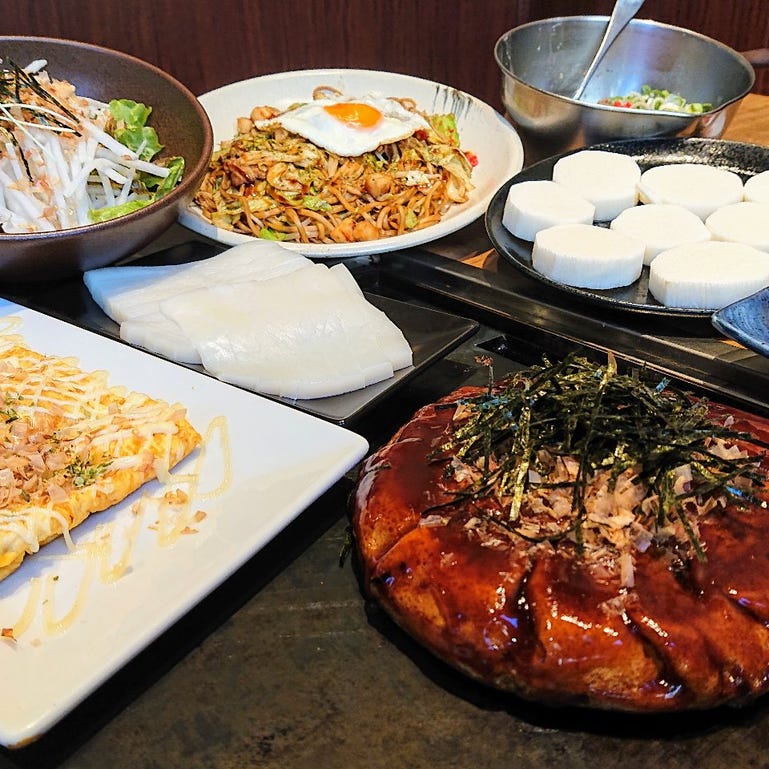
Okonomiyaki is often described as a Japanese savory pancake, although that shorthand does not fully capture its character. A batter is combined with cabbage and other ingredients, then cooked on a griddle and finished with savory sauce, mayonnaise, aonori seaweed and often bonito flakes. Styles vary by region, with Osaka-style versions mixing ingredients into the batter and Hiroshima-style versions layering components and often adding noodles.
This is Japanese food with a casual, generous personality. The combination of soft interior, browned surface, cabbage, sauce and toppings creates multiple textures in one bite. It is also a useful dish for groups because different versions can be shared. When you see okonomiyaki at a specialist restaurant in Germany, it is worth ordering precisely because it moves beyond the sushi-and-ramen image that many diners initially have of Japanese food.
10. Mochi: a chewy finish rather than a conventional cake
Mochi is made from glutinous rice and is known for its soft, elastic chew. Traditional forms may be filled with sweet red bean paste, while modern versions include fruit, sesame, matcha and ice cream. Not every mochi is a dessert, but sweet versions are the easiest introduction for most diners in Germany. The texture is the main attraction and can feel surprising if you expect the crumb of a European cake.
Try mochi in small bites and distinguish traditional rice-cake sweets from mass-market mochi ice cream. Both can be enjoyable, but they represent different experiences. Exploring sweets matters because Japanese food is not only about savory umami. Matcha, azuki bean, roasted soybean flour and black sesame introduce sweetness that is often less direct than in many Western desserts.
How to choose Japanese food in Germany and order with confidence

Start by deciding what experience you want. For freshness and delicacy, choose sushi or sashimi. For warmth, ramen and udon are natural choices. Tempura offers crisp texture, yakitori emphasizes grilling, curry and donburi provide comfort, and okonomiyaki is ideal when you want something casual and shareable. Thinking in cooking styles makes a Japanese food menu much easier to navigate.
Next, look at the restaurant’s focus. A concise menu is not automatically better, but specialization can be a useful quality signal. Ramen requires serious broth and noodle preparation; sushi requires careful rice and seafood handling; yakitori depends on grilling. If one venue claims to master every imaginable Asian cuisine, set expectations accordingly. Reviews can help, but photographs of the actual dishes and consistent comments about specific specialties are often more useful than a single overall rating.
Dietary needs also deserve attention. Japanese food can include fish stock, soy, wheat, sesame, egg and other allergens even when a dish looks simple. Vegetarian diners should ask whether broth or sauce contains dashi made from fish. People avoiding gluten should not assume soy sauce or noodles are gluten-free. In Germany, restaurants are accustomed to allergen questions, so ask staff directly when necessary rather than relying on appearance.
Finally, order progressively. You do not need ten dishes at once. Begin with two contrasting items, such as sushi and tempura, or ramen and gyoza, then return for another style. This approach makes Japanese food memorable because you can identify what you liked: the clean acidity of sushi rice, the chew of udon, charcoal aroma from yakitori or the savory sweetness of curry. At Honmono, a thoughtful reservation can turn that curiosity into a relaxed meal where you have time to explore rather than simply order what you already know.
Frequently asked questions about Japanese food in Germany

What Japanese food should a beginner try first?
Sushi, ramen, tempura and Japanese curry are approachable starting points because each offers a clear flavor profile. If raw fish makes you hesitant, begin with cooked sushi, tempura or curry. The best first Japanese food is not necessarily the most famous dish; it is one that lets you pay attention to texture and seasoning without feeling uncomfortable.
Is all Japanese food based on raw fish?
No. Raw seafood is important in sashimi and some sushi, but Japanese food includes grilled chicken, fried seafood and vegetables, noodle soups, curries, rice bowls, hot pots, pancakes and many cooked specialties. A diner can explore extensively without ordering raw fish at all.
Is Japanese food suitable for vegetarians in Germany?
There are many vegetable-based dishes, but hidden animal ingredients can be an issue. Dashi may contain bonito fish, sauces may contain fish extracts, and ramen broth can be meat-based. Ask whether a dish is fully vegetarian rather than assuming vegetable toppings make it so. Specialist restaurants increasingly offer clearly marked vegetarian options.
What is the difference between sushi and sashimi?
Sushi is built around seasoned vinegared rice and may contain raw or cooked toppings. Sashimi is sliced raw seafood or other ingredients served without sushi rice. Understanding that distinction makes a Japanese food menu much easier to read and helps you choose based on whether you want a rice-based bite or a more direct taste of the ingredient.
Where should I try Japanese food in Germany?
Major cities such as Düsseldorf, Berlin, Frankfurt, Hamburg and Munich provide broad choices, but strong restaurants can be found elsewhere as well. Prioritize places that specialize in the dish you want and check current menus, opening hours and reservation policies. If Honmono is convenient for your location, reserve a table and use this list to choose a few contrasting dishes for a more complete introduction.
Make your next meal a Japanese food discovery
The best way to understand Japanese food is to taste across categories. Sushi teaches you about rice and balance, sashimi about ingredient quality, ramen and udon about noodles and broth, tempura about precise frying, yakitori about grilling, and curry or donburi about everyday comfort. Okonomiyaki adds a casual regional favorite, while mochi introduces a distinctive approach to texture and sweetness.
Living in Germany means you can explore these dishes gradually rather than treating Japanese food as a one-time novelty. Use the ten choices in this guide as a personal checklist, revisit the styles you enjoy, and compare specialist restaurants as your palate develops. When you are ready to turn the list into a real dining experience, make a reservation with Honmono and choose several contrasting plates for the table. A thoughtful first order can be the beginning of a much deeper appreciation of Japanese food.